
What Is Subcision?
Subcision is a minimally invasive acne scar treatment used to improve rolling acne scars, tethered scars, and depressed scars. During the procedure, a specialized needle is inserted beneath the skin to release the fibrous bands that pull the scar downward.
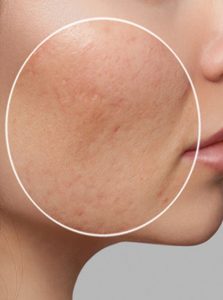
By breaking these attachments, subcision helps lift the depressed scar while stimulating the body’s natural collagen production. As new collagen forms, the skin gradually becomes smoother, firmer, and more even in appearance.
Subcision is considered one of the most effective treatments for rolling acne scars because it addresses the underlying cause of the scar rather than only treating the skin’s surface.
What Types of Acne Scars Can Subcision Treat?
Subcision is most effective for depressed acne scars that are tethered beneath the skin.
Common acne scars treated with subcision include:
Rolling Acne Scars
Rolling scars create a wave-like appearance across the skin due to fibrous bands pulling the skin downward. Subcision releases these bands and helps smooth the skin surface.
Tethered Acne Scars
Many acne scars remain attached to deeper tissue beneath the skin. Subcision works by releasing these attachments and stimulating collagen production.
Depressed Acne Scars
Subcision can improve shallow and moderate depressed scars by encouraging natural tissue remodeling and collagen formation.
How Does Subcision Improve Acne Scars?
Subcision improves acne scars through two important mechanisms:
Scar Release
A specialized needle is used to break the fibrous scar tissue that pulls the skin downward.
Collagen Stimulation
The controlled healing response stimulates collagen production beneath the scar, helping restore volume and improve skin texture over time.
As collagen continues to develop, the skin becomes smoother and more even.
Subcision Before and After Results
Patients often notice initial improvement once swelling and bruising resolve.
However, the most significant improvements occur gradually as collagen develops beneath the skin.
Benefits may include:
- • Smoother skin texture
- • Improved acne scar appearance
- • Increased skin volume
- • More even skin surface
- • Long-term skin remodeling
Results typically continue improving for several months after treatment.
How Many Subcision Treatments Will I Need?
The number of treatments depends on:
- • Type of acne scars
- • Severity of scarring
- • Skin quality
- • Individual treatment goals
Many patients benefit from a series of 2–4 treatments spaced several weeks apart for optimal results.
Your provider will create a personalized treatment plan during your consultation.
How Much Does Subcision Cost?
The cost of subcision treatment varies depending on several factors, including:
- • Number of scars being treated
- • Severity of acne scarring
- • Treatment area
- • Whether PRP or filler is combined with treatment
- • Number of sessions required
A consultation is recommended to determine the most appropriate treatment plan and provide personalized pricing.
Is Subcision Permanent?
Subcision can provide long-lasting improvement because the fibrous scar bands that are released typically do not reattach. In addition, the procedure stimulates new collagen production beneath the skin, helping improve skin texture and scar appearance over time.
While no acne scar treatment can guarantee complete scar removal, many patients experience significant and lasting improvement.
Subcision With PRP for Enhanced Results
Subcision is often combined with Platelet-Rich Plasma (PRP) to support healing and collagen production.
PRP contains concentrated growth factors derived from your own blood and may help:
- • Accelerate healing
- • Improve collagen formation
- • Enhance acne scar improvement
- • Support skin rejuvenation
Combining Subcision and PRP can often provide better outcomes than either treatment alone.
Can Subcision Be Combined With Filler?
Yes. For deeper acne scars, subcision may be combined with dermal fillers to provide additional support and volume beneath the skin.
Subcision releases the scar tissue, while filler helps elevate the depressed area for enhanced correction.
Benefits of combining subcision with filler may include:
- • Improved scar correction
- • Smoother skin texture
- • Enhanced volume restoration
- • More noticeable cosmetic improvement
Your provider will determine whether filler is appropriate for your specific scar type.
How Long Does It Take to See Results After Subcision?
Most patients begin noticing improvement after swelling and bruising resolve.
Because collagen production takes time, results continue to improve over:
- • 4–8 weeks
- • 2–3 months
- • Up to 6 months after treatment
Patience is important, as the skin gradually remodels and repairs itself.
Is Subcision Safe?
Subcision is considered a safe and effective acne scar treatment when performed by an experienced provider.
Common temporary side effects include:
- • Swelling
- • Bruising
- • Redness
- • Tenderness
- • Temporary firmness beneath the skin
Most side effects resolve naturally during the healing process.
Who Is a Good Candidate for Subcision?
You may be a good candidate if you:
- • Have rolling acne scars
- • Have depressed acne scars
- • Have tethered scars
- • Want to improve skin texture
- • Prefer a minimally invasive treatment
- • Want natural collagen stimulation
A consultation can determine whether subcision is appropriate for your skin concerns.
How Long Does Subcision Take to Heal?
Most patients experience mild swelling, bruising, and tenderness for several days following treatment.
Typical Recovery Timeline
Days 1–7
- • Swelling and bruising
- • Mild tenderness
- • Temporary firmness beneath the skin
Weeks 2–4
- • Healing continues
- • Swelling improves
- • Early collagen stimulation begins
Months 2–6
- • Continued collagen production
- • Progressive scar improvement
- • Smoother skin texture
Most patients return to normal daily activities within a few days.
Is Subcision Painful?
Subcision is generally well tolerated. A local anesthetic is used before treatment to maximize comfort during the procedure.
Patients may experience mild soreness, tenderness, or pressure during recovery, but discomfort is typically temporary and manageable.
Am I a Good Candidate for Subcision?
You may be a good candidate for subcision if you:
- • Have rolling acne scars
- • Have tethered acne scars
- • Have depressed scars
- • Want smoother skin texture
- • Are looking for a minimally invasive acne scar treatment
- • Want to stimulate natural collagen production
A consultation can help determine whether subcision is the right treatment for your skin concerns and goals.
Acne Scar Treatment Near Me in Santa Ana, CA
If you are searching for acne scar treatment near me, subcision treatment, rolling acne scar treatment, or acne scar revision in Santa Ana and Orange County, Total Woman Healthcare offers customized treatment plans designed to improve acne scars and restore smoother skin.
Frequently Asked Questions About Subcision
Does subcision work for acne scars?
Subcision is considered one of the most effective treatments for rolling and tethered acne scars.
How long does subcision take to heal?
Most bruising and swelling improve within several days to two weeks, while collagen remodeling continues for several months.
Can subcision be combined with PRP?
Yes. Many providers combine subcision with PRP to support healing and collagen production.
How many subcision treatments are needed?
Most patients require a series of treatments depending on scar severity and treatment goals.
Book Your Subcision Consultation in Santa Ana
Ready to improve the appearance of acne scars and achieve smoother-looking skin?
📞 Call (714) 836-3541 or Text (657) 210-2798 to schedule your Subcision consultation at Total Woman Healthcare Medspa in Santa Ana, CA.